
Blog article: Announcing the Toronto Open Data Awards Winners (2025-2026)
Article text
We kicked off last year’s Toronto Open Data Awards as a way to recognize people using open data to make the city a better place. It was a huge success – so rinse and repeat!
This year, we received 45 submissions: everything from clever student‑built apps to research projects, staff-led innovations, visualizations, maps and a whole lot of creativity we honestly didn’t expect. We once again convened an expert panel of judges to assess the projects — the deliberations were difficult, it took hours of back and forth discussion, but we got there!
So, without further ado… here are this year’s Toronto Open Data Award Winners!
If you’d like to meet the winners, learn more about their projects and celebrate the impact of open data, please join us February 11 for our Awards Gala.
Public Project Winners

1st Place … Transit Headway Management Platform
A real-time, open‑standards transit tool built by the Interactive‑OR Lab at York University alongside teams from the Toronto Transit Commission. It uses TTC open data to detect and fix bus bunching , helping riders get more reliable service. (Honestly, huge win for transit nerds everywhere!)
2nd Place … Better My City
A youth-built reporting app that uses AI and open data to help students identify issues in public spaces and send cleaner, clearer reports to 311. It even maps everything automatically. Super smart, super empowering. (This was built by an enterprising Grade 10 student!)

3rd Place … BikeSpace
A volunteer-run, fully rebuilt bike-parking map that uses daily updated open data to help riders find parking and report broken or missing racks. Over 1,100 reported issues so far. Community impact all the way through. (Another impactful open data project incubated at Civic Tech Toronto!)
City Project Winners
1st Place – SafeTO Mapping Prevention (Social Development Division)
A shared data and collaboration platform combining community knowledge, City datasets, and technical tools to support safety and wellbeing in Northwest Toronto.
2nd Place – Predictive Ferry Demand Access (Fleet Services / Parks and Recreation Divisions)
Forecasts ferry demand using open data, weather, and event info so the City can plan staffing and reduce wait times. Extremely practical, extremely needed.
3rd Place – Scarborough North Community Map (Council -Ward 23)
A simple, friendly, one‑stop map for local updates on parks, housing progress, events, construction, and services. Built with residents in mind.
Honourable Mentions
While these didn’t win, we wanted to shout them out as projects that exemplify our judging criteria of impact, user-centricity and innovation:
Impact: SafePassage: Wildlife Aware Navigation Data Feed
A predictive model that warns drivers when they’re entering wildlife collision hotspots using 311, traffic, geographic, and time‑of‑day data. Preventing collisions instead of reacting to them.
User‑Centricity: Toronto Parking Insights
Turns millions of parking-ticket records into a clean, searchable map and dashboard. A huge accessibility win for residents, journalists, planners … basically everyone who’s ever been confused by parking fines.
Innovation: CKAN MCP Server
A new MCP server that acts as a bridge between AI agents and Open Data portals, letting users ask natural-language questions like “What was Toronto’s rainfall last year?” and get real data back. Very futuristic, very cool. Heck, we’ll want to use it ourselves.
How We Judged This Year
We kept it simple and transparent. Every project was scored using a shared rubric based on three things we care deeply about in Toronto’s open data ecosystem:
1. Public Impact (5 points)
- Does this help people? Does it make something easier, clearer, safer, or more accessible?
2. Innovation (5 points)
- Was there creative thinking, clever technical work, or a unique use of open data?
3. User‑Centricity (5 points)
- Did the creator think about or work with actual users or community members?
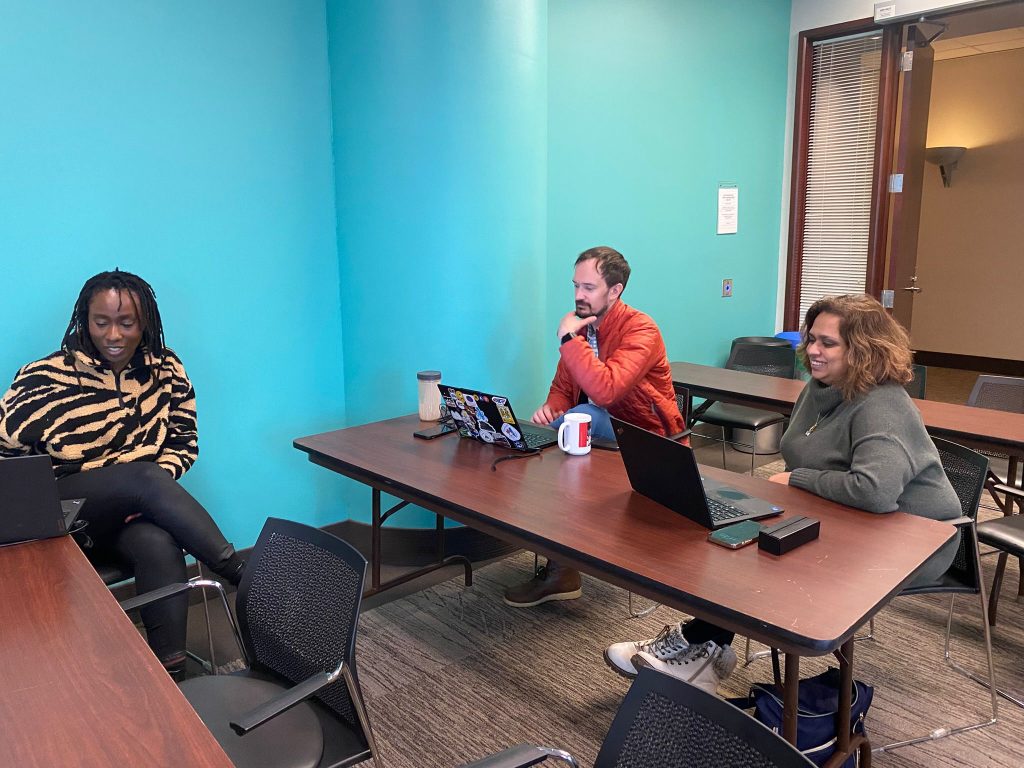
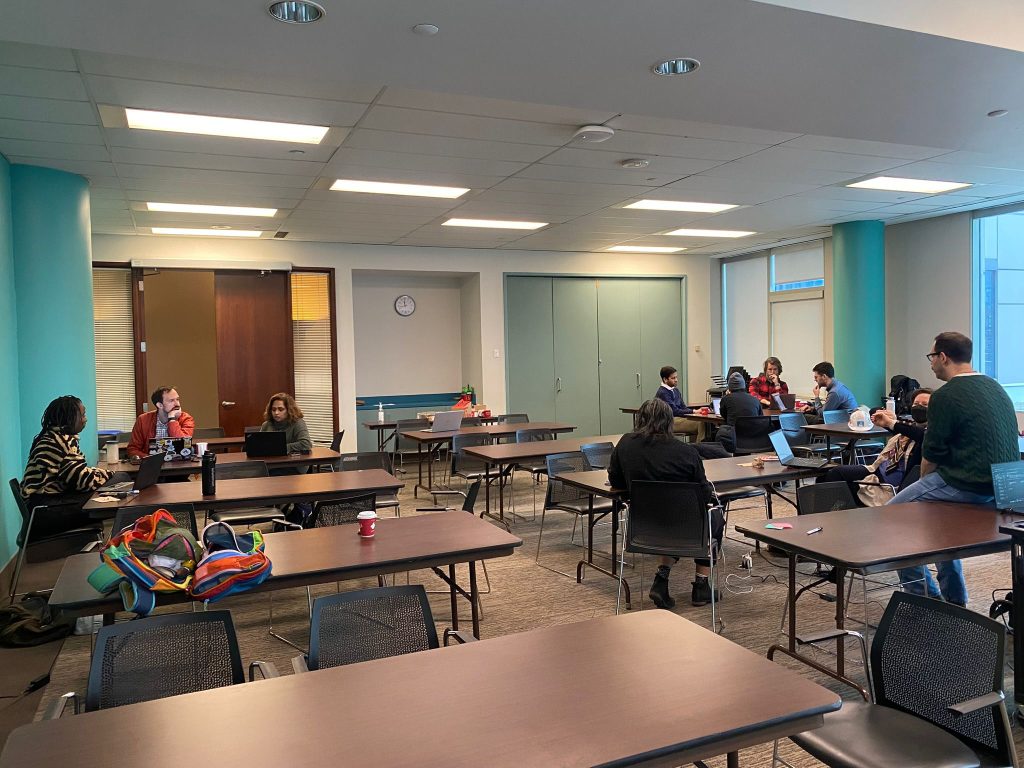
A Huge Thank‑You to Our Judges
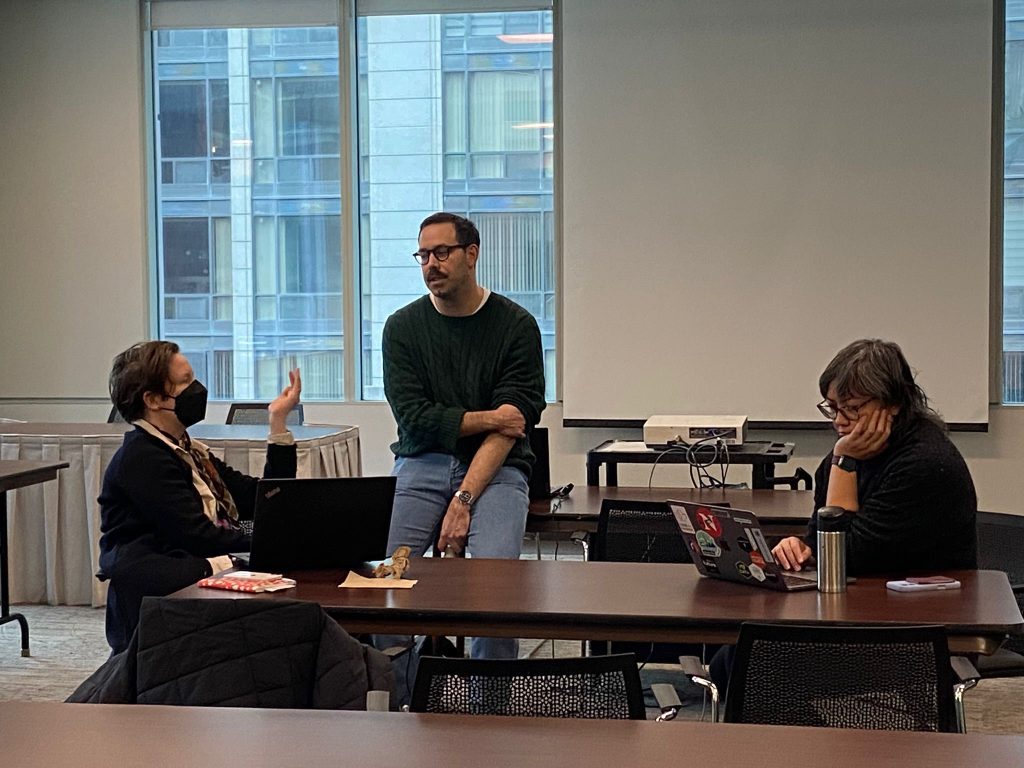
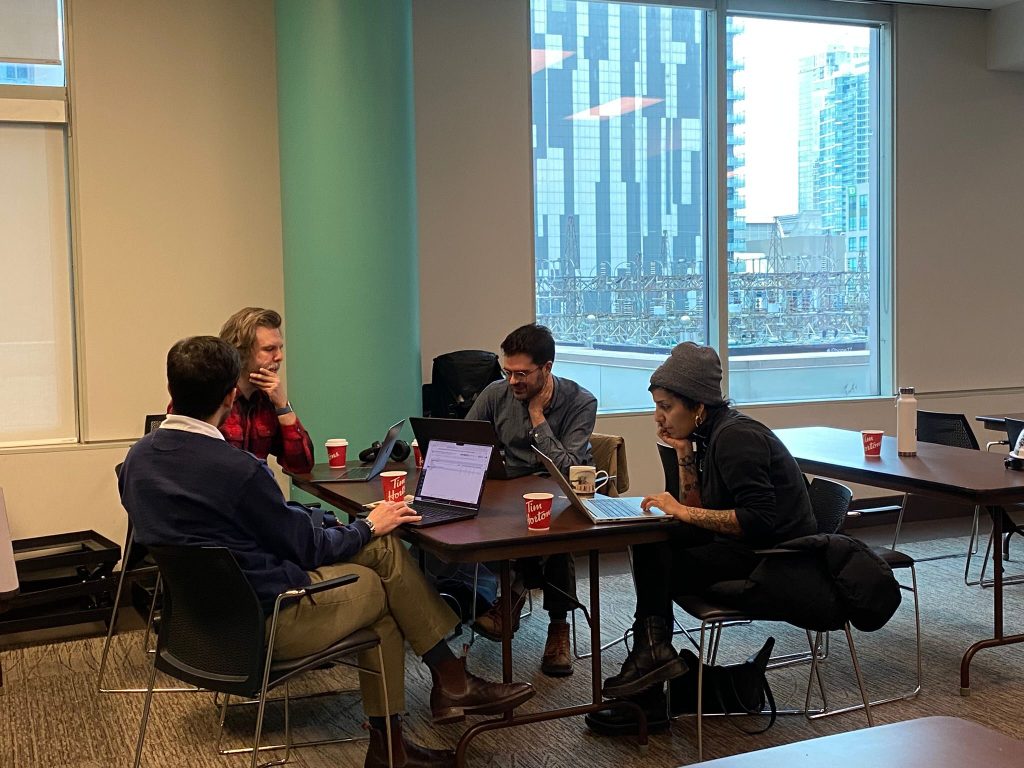
We couldn’t do this without our judging panel… they were a mix of City staff, civic technologists, academics, and community builders who volunteered their time to read, review and discuss every submission.
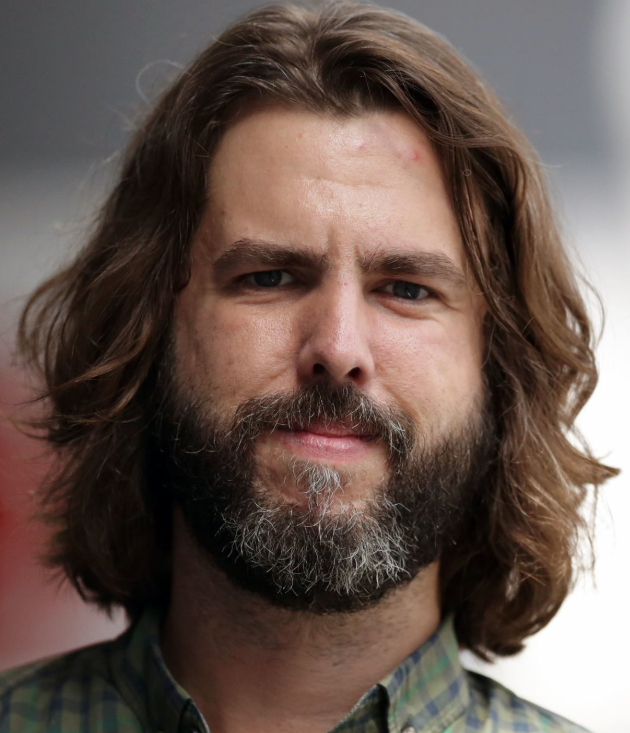
Matt Elliott is the publisher of the award-winning City Hall Watcher newsletter and an urban affairs columnist with the Toronto Star. He’s been covering municipal issues since 2010 with a focus on data analysis and making a heck of a lot of charts.

Mark Richardson is the Chief Technology Officer at Rich Analytics. He has 25+ Years of consulting-experience with public-sector clients at all levels of government in Canada. Mark is the founder and technical lead of the HousingNowTO innovation and open government project which was a finalist for the World Smart Cities Awards in 2024
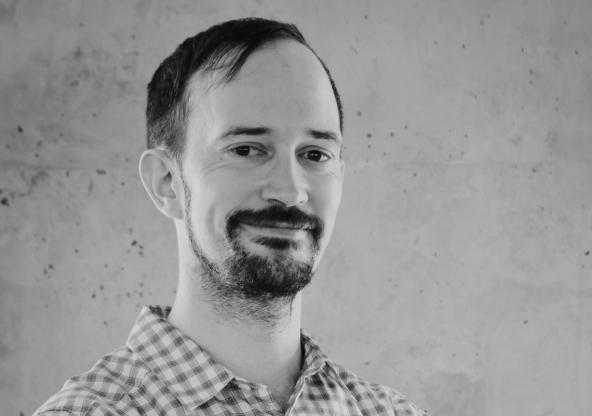
Raphael Dumas has been with the City since 2016 working for Transportation Services in Data & Analytics and has been using and publishing Open Data. He has two Masters and two bikes.
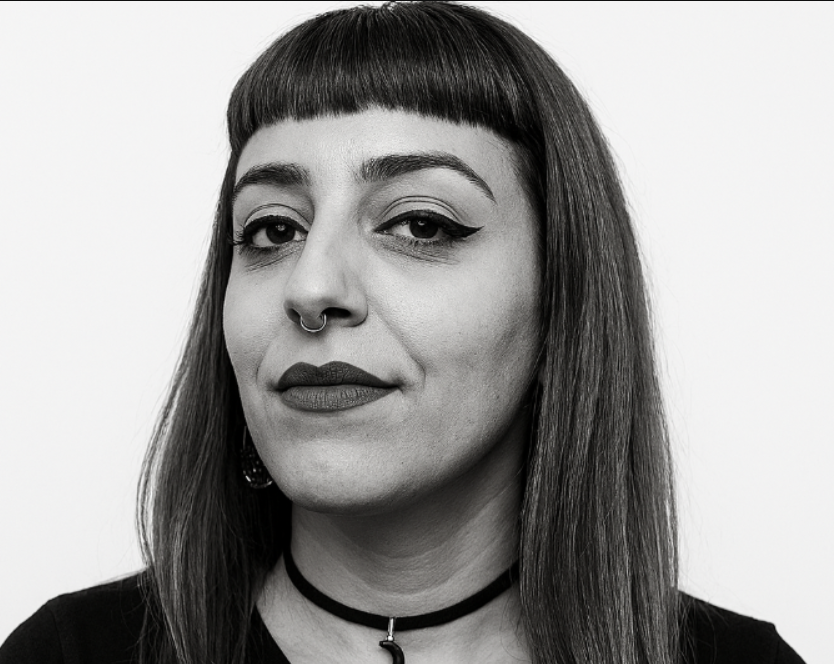
Sidra Mahmood is a government service designer who coordinates open government releases for Employment and Social Development Canada.
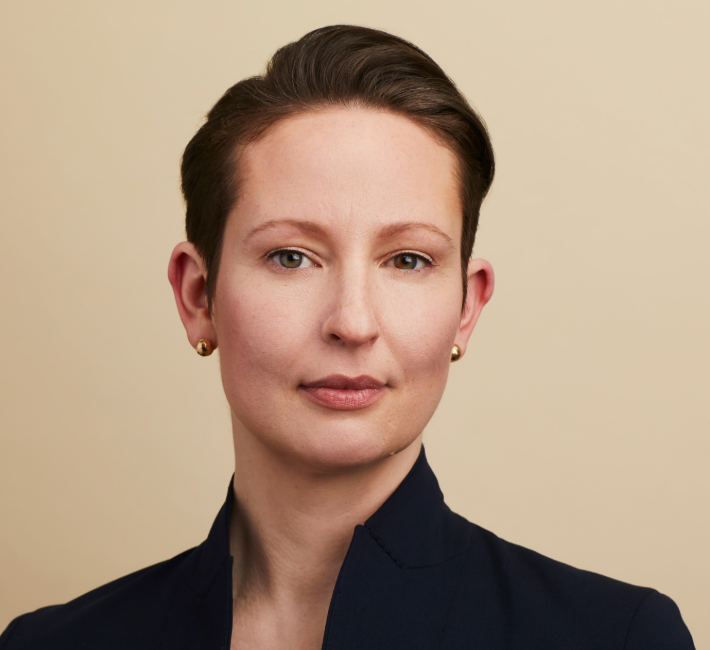
Bianca Wylie is a writer, facilitator, advisor, and speaker. She is the founder of Time and Space Studios, a management consulting firm and technology workshop

Jacqueline Lu is founder and CEO of Helpful Places, stewarding the Digital Trust for Places & Routines open standard for technology transparency. As New York City Parks’ inaugural Director of Data Analytics, she developed Parks’ open data program and led the largest participatory street tree mapping project in U.S. history.
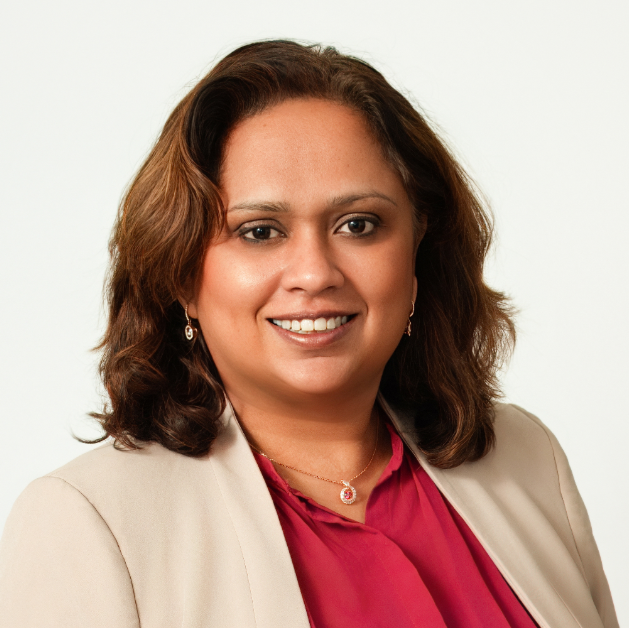
Sonali Chakraborti has been with the City of Toronto for over 15 years and specializes in City governance, accountability, public service ethics, corporate policy and strategic planning. She recently published a case study on the tensions between technology procurement, innovation and public sector accountability. Sonali is passionate about civic engagement and citizen involvement in municipal government

Alex Olson is Acting Head of the Centre for Analytics & AI Engineering (Carte) at the University of Toronto. He leads international partnerships, graduate exchange programs, and industry AI collaborations while teaching deep learning and supporting technical research. Alex bridges machine learning research with program operations, connecting academia and industry across North America and Asia.
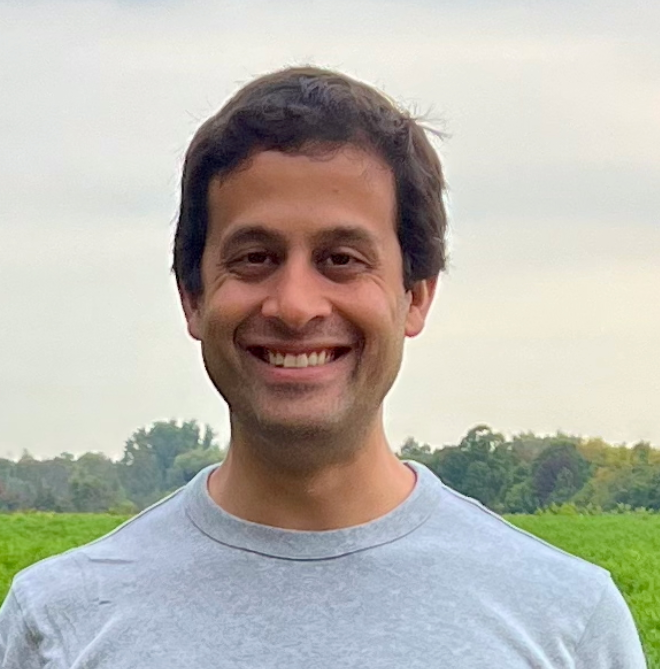
Rohan Alexander is an assistant professor at the University of Toronto, jointly appointed in the Faculty of Information and the Department of Statistical Sciences.
See You at the Gala
We’ll celebrate all winners & Honourable Mentions at our informal gathering on February 11 at Metro Hall Rotunda, alongside City data teams and community members who helped make these projects possible.
We’ll also be sharing all projects in the Open Data Gallery soon … lots more to come.
And finally: thank you to everyone who submitted something this year. Toronto’s open data community keeps growing because of people who care, experiment, collaborate, and build cool things that help others.
If you have any questions, comments or feedback – we’re always ready to listen. Email us opendata@toronto.ca and follow us on X, LinkedIn, and now BlueSky.